
The Long-Term Cost of Renting vs. Owning a Home
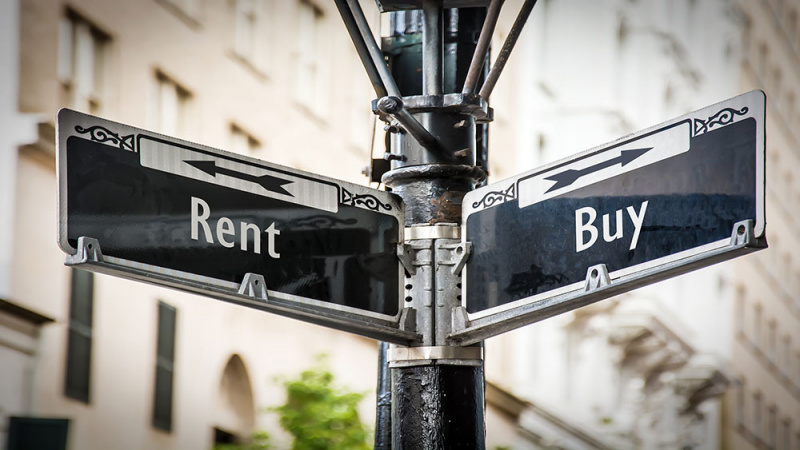
When comparing monthly housing expenses, renting can appear to be the simpler, less expensive option on paper. Lower initial out-of-pocket expenses, no direct property tax bills, and freedom from maintenance obligations make renting attractive in the short term. However, looking strictly at the current month’s payment misses a critical part of the financial picture.
Evaluating housing expenses over five, ten, or thirty years reveals a stark difference between writing a monthly rent check and paying down a mortgage. Understanding these differences allows you to choose a path aligned with your long-term wealth goals.
The Short-Term Appeal of Renting
Renting offers predictability and lower entry barriers. Upfront costs typically involve a security deposit along with first and last month’s rent. Once settled, monthly payments remain steady for the duration of the lease term. Landlords handle major repairs, structural updates, and routine maintenance, relieving tenants of unexpected home improvement expenses.
In many regional housing markets, initial monthly rent payments sit lower than the combined total of a new mortgage payment, property taxes, and homeowners insurance. For individuals focused on maximum flexibility or short-term savings, renting serves a clear purpose.
However, rent payments buy temporary housing access. Once the lease period ends, that capital is gone permanently.
The Mechanics of Building Equity Through Ownership
The fundamental distinction between renting and owning lies in asset accumulation. Every home mortgage payment consists of principal and interest. While interest goes to the lender, the principal portion directly reduces your loan balance, increasing your personal equity in the property.
This arrangement functions as a form of forced savings. Each month, a portion of your housing payment builds real net worth. Over ten or twenty years, hundreds of thousands of dollars shift from debt into home equity.
Property Appreciation Over Time
Alongside principal reduction, real estate historically gains value over extended periods. Even moderate annual appreciation compounds significantly over a decade or two.
- Fixed Debt, Growing Asset: A fixed-rate mortgage payment stays constant for up to thirty years, even as the property value climbs.
- Compounding Value: As market values rise, your equity grows on the total value of the home, not just the cash you invested upfront.
- Wealth Trajectory: While renters face rising housing prices at each lease renewal, homeowners lock in their baseline housing costs while benefiting from market gains.
Uncovering Hidden and Cumulative Costs
Evaluating long-term financial outcomes requires accounting for ongoing expenses on both sides of the equation.
The Cumulative Weight of Rent Increases
Lease renewals frequently come with price hikes designed to match local market inflation. A monthly rent payment that feels comfortable today can increase significantly over five to ten years. Renters face perpetual payments that continue indefinitely, offering no endpoint where housing costs decline or cease.
The True Operating Expenses of Homeownership
Buying a property involves costs beyond the principal and interest payment. Homeowners manage several recurring financial commitments:
- Property Taxes and Insurance: These local expenses adjust over time based on tax rates and regional property values.
- Maintenance and Upkeep: Standard recommendations suggest setting aside one to two percent of the home's value annually for regular maintenance and capital repairs, such as roof replacements or heating system updates.
- Closing Costs and Fees: Purchasing and financing a home requires initial capital for lender fees, title services, and inspections.
While these extra expenses require careful budgeting, homeownership converts housing costs into a long-term asset. When a mortgage is paid off, baseline living expenses drop dramatically, leaving only taxes, insurance, and maintenance.
Balancing Short-Term Flexibility with Long-Term Wealth
Deciding between renting and owning comes down to timeline, financial readiness, and local market conditions.
If your plans involve staying in a location for less than three to five years, renting often provides necessary flexibility without incurring transaction costs associated with buying and selling. However, if your vision spans five years or longer, purchasing a property establishes financial stability and creates a reliable path toward wealth creation.
Working through these calculations requires looking at local trends, property values, and mortgage structures to determine the right moment for your transition into homeownership.
Partnering with New England Real Estate Experts
Navigating regional property markets requires local knowledge and clear advice. Berkshire Hathaway HomeServices Verani Realty brings decades of regional expertise to every real estate decision.
Our agents understand local neighborhood trends, property values, and market conditions across New England. Whether you are analyzing your readiness to buy or evaluating current housing opportunities, working with dedicated real estate professionals ensures you have the reliable insights needed to make confident moves.
Berkshire Hathaway HomeServices Verani Realty offers guidance grounded in local market knowledge, helping clients transition from short-term housing arrangements to long-term ownership with confidence.
Ready to buy a new home? Connect with a local Verani Real Estate agent today or learn more at Verani.com to experience the difference professional guidance can make.
Share This Post
| Previous Post | Next Post |